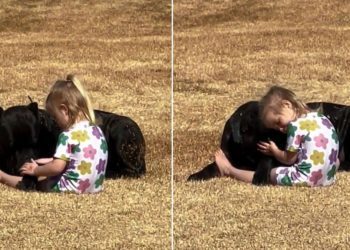


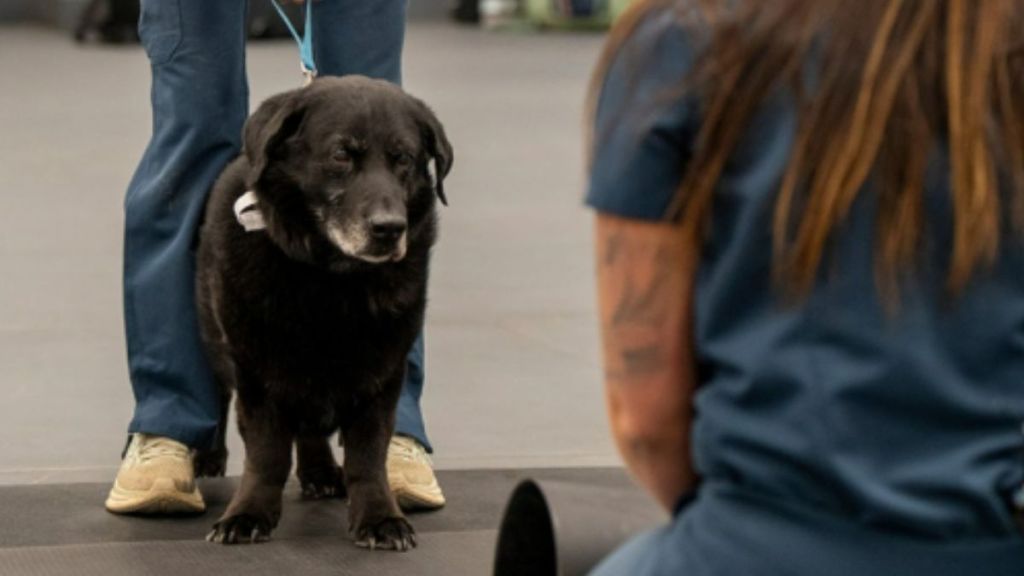
Ralph spent years bringing joy and comfort to the Rowe family, but his impact extended far beyond his home. After developing dementia in his later years, the senior dog became part of a research effort aimed at understanding aging and cognitive decline in dogs. Following his death, scientists were able to gather valuable information from his participation in the study, helping advance knowledge that could one day benefit both dogs and humans.
Late senior dog’s contribution to aging and dementia research leaves his family ‘proud’
When Tara and Jason Rowe attended an adoption event in 2012, they instantly knew Ralph was the dog for them. Over the years, the quirky pup became an irreplaceable member of the family. He loved playing frisbee, swimming, camping in the mountains, and snacking on carrots and ice cubes. More importantly, Ralph provided comfort during some of the family’s most difficult moments. “[He was] always there when our world fell apart time and time again,” Tara told 60 Minutes via CBS News.
In 2024, however, the family began noticing changes in the aging dog’s behavior. Ralph appeared confused and anxious, even in places he had visited many times before. He paced constantly, panted heavily, and seemed unable to settle down. The following year, cognitive testing confirmed that Ralph had dementia.
Determined to help researchers learn more about the disease, the Rowes enrolled him in the Dog Aging Project, a large-scale collaboration between scientists, veterinarians, and dog parents. The initiative has already involved more than 50,000 dogs and aims to gain insights that could benefit both canine and human health.
As part of the research, Ralph underwent memory testing and brain imaging. Experts observed signs of cognitive impairment, while MRI scans revealed brain shrinkage similar to changes seen in people with Alzheimer’s disease. Researchers say the similarities between canine and human dementia make dogs a valuable model for studying the condition.
Ralph also participated in a pilot study involving rapamycin, a drug being investigated for its potential effects on aging. After his death in December, scientists examined his brain and noted findings that may help guide future research. The results suggested lower levels of inflammation compared to dogs that received a placebo.
For the Rowe family, knowing their pup contributed to something larger than himself has been a source of comfort. “Ralph was always going to be a memorable dog,” Tara added, “but this contribution to science makes us especially proud of him.”
The post Senior Dog With Dementia Makes a Valuable Contribution to Science of Aging appeared first on DogTime.